
Help Prevent Injuries in Wellington County
Volunteer with Safe Communities Wellington County
Safe Communities Wellington County is looking for individuals who are passionate about preventing injuries and keeping our communities safe.
Experience and professional skills are valuable — but what matters most to us is your passion for injury prevention and your desire to make a positive impact across Wellington County.
We welcome volunteers from all seven municipalities:
-
Puslinch
-
Erin
-
Guelph-Eramosa
-
Minto
-
Mapleton
-
Wellington North
-
Centre Wellington
Whether you want to focus on your own municipality or contribute county-wide, there is a place for you at the table.
Areas Where We Need Your Help
Volunteers can choose to support one or more of the following injury prevention priorities:
 Falls Prevention
Helping reduce falls — the leading cause of injury among older adults — through education, awareness, and community-based initiatives.
 Mental Health
Supporting injury prevention efforts connected to mental health, well-being, and crisis prevention.
 Motor Vehicle Collision Prevention
Focusing on impaired and distracted driving, two of the leading causes of serious injuries and fatalities on Wellington County roads.
 Drug Poisoning Prevention
Addressing the opioid crisis while also promoting safe storage practices — keeping medications and harmful substances high and locked to prevent children from accidental ingestion.
 Agricultural Machinery & Tools
Promoting the proper use of farm machinery and tools to reduce injuries in agricultural and rural settings.
What’s the Time Commitment?
Volunteering with Safe Communities Wellington County is designed to be manageable and meaningful.
-
 Approximately 2 hours per month
 -
Opportunities to participate in meetings, action groups, or short-term projects
-
Flexible involvement based on your interests and availability
Join Us – May 20, 2026
New and interested volunteers are warmly invited to attend our upcoming meeting:
 Date: May 20, 2026
 Location: Wellington County Museum and Archives
This meeting is a great opportunity to:
-
Learn more about our work
-
Meet current volunteers and partners
-
Explore how your interests align with our injury prevention priorities
Get Involved
If you care about safety, prevention, and building healthier communities across Wellington County, we would love to hear from you. Fill out the following form to inform us of your interest: https://forms.gle/nGmzpwDCaTrPGV6j6
 Your passion can help prevent injuries and save lives. Everyone has something valuable to contribute.
Together, we can make Wellington County a safer place to live, work, and play.
Safe Communities Wellington County Supports Students Against Impaired Driving (SAID) Day – May 14, 2026
Every year, lives are needlessly lost on our roadways due to alcohol‑, drug‑, distracted‑, and speed‑impaired driving. These are avoidable tragedies that leave lasting scars on families, schools, and communities throughout Guelph and Wellington County.
On Thursday, May 14, 2026, Safe Communities Wellington County is proud to support Students Against Impaired Driving (SAID) Day, a province‑wide initiative that empowers young people to take a stand against impaired driving and to lead by example.
Why SAID Day Matters
Impaired driving is the leading criminal cause of death and injury in Canada. Despite increased awareness, people continue to make decisions that put themselves—and others—at risk. SAID Day exists to change that by encouraging students, educators, families, businesses, and community organizations to proclaim, promote, and participate in preventing impaired and distracted driving.
On SAID Day, we remember those whose lives were lost and honour them by making one clear commitment: Never drive impaired—and never ride with an impaired driver.
Where We’ll Be on SAID Week 2026
This year, Safe Communities Wellington County will be hosting information tables during lunch hour at the following schools:
- Our Lady of Lourdes Catholic Secondary School
- Bishop MacDonell Catholic Secondary School
- John F. Ross Collegiate Vocational Institute
- Erin District High School
- Wellington Heights Secondary School
Students are encouraged to stop by, ask questions, pick up resources, and learn how to get involved.
👉 If we are not coming to your school in Guelph or Wellington County, we encourage you to start the conversation with your principal about recognizing SAID Day and participating in future years.
What Is Impaired Driving?
Impaired driving includes driving while affected by:
- Alcohol
- Drugs (legal or illegal)
- Distraction (including phones and in‑vehicle technology)
- Excessive speed
Any one of these reduces reaction time, judgement, and the ability to respond safely on the road.
Our Mission
SAID Day encourages schools, businesses, and community organizations to take a visible stand against impaired and distracted driving by sending a clear, positive message:
🛑 Never drive impaired.
🛑 Never ride with an impaired driver.
How Schools Can Get Involved
Schools can participate in SAID Day in many meaningful ways, including:
- Proclaiming SAID Day on school social media using #SAIDDAY2026
- Making a school‑wide announcement over the PA system
- Creating an impaired driving awareness display
- Hosting events such as:
- Impaired driving trivia
- Mocktail events
- Pledge campaigns
- Chain of Life activities
- Encouraging students to create TikTok or video messages
- Involving parents through social media advocacy
🎉 SAID Day School Prizes
- Best Overall: $200
- 2nd Best Overall: $150
- 3rd Best Overall: $50
How Businesses and Community Organizations Can Help
Businesses can:
- Proclaim SAID Day support on social media
- Share “Drive Safe This Weekend” reminders with employees
- Promote safe driving messages relevant to their industry
- Support OSAID through donations or partnerships
Community organizations can:
- Share SAID Day messaging with members
- Encourage participation at workplaces and schools
- Host awareness or fundraising events
- Lead by example by committing to being a designated driver
Take Action on SAID Day
- Plan ahead before parties or events
- Designate a sober driver or arrange a safe ride home
- Intervene if someone you know is about to drive impaired
- Report suspected impaired driving by calling 911
Remember: The keys to safety are in your hands.
Safe Communities Wellington County Supports Safe Kids Week 2026: #SafeSpeedsForKids
June 1–7, 2026 is Parachute Safe Kids Week, an annual national campaign that raises awareness about predictable and preventable injuries in children. This year’s theme, #SafeSpeedsForKids, highlights how safer speeds on our roads can save young lives.
At Safe Communities Wellington County, we are proud to support Safe Kids Week and to work with our partners to make road safety a shared responsibility across urban and rural communities.
Children Are Vulnerable Road Users
Motor vehicle incidents remain a leading cause of serious injury and death for children in Canada. Each year, an average of 6,700 children are injured and 46 lose their lives on Canadian roads.
Children walk and cycle every day—to school, to parks, and to visit friends. These activities are essential for their physical and mental health, but they also place children at risk when roads are designed for speed instead of safety.
In Wellington County and across Ontario:
- Most child pedestrian and bicyclist injuries happen between 3 p.m. and 6 p.m., during after‑school hours
- June sees the highest number of child cycling injuries, when kids are outside more often
- While most injuries occur in urban areas, rural crashes are more likely to be fatal due to higher speeds, fewer sidewalks, and longer travel times to trauma care
Why Speed Matters for Child Safety
Speed plays a critical role in whether a collision happens—and how severe the outcome is.
- Children are twice as likely to be struck by a vehicle on roads with speed limits above 50 km/h
- For every 1.6 km/h reduction in average speed, collision rates drop by 5%
- A pedestrian hit at 50 km/h is nearly six times more likely to be killed than at 30 km/h
- Children face even higher risks because of their size, visibility, and developing judgment
Lower speeds mean drivers have more time to react and stop, and any collision that does occur is far less likely to be deadly.
Creating #SafeSpeedsForKids in Our Communities
Making roads safer for children requires a combined approach that includes policy, design, and enforcement.
- Reduce Speed Limits
In areas where people live, walk, bike, and play, speed limits of 30 km/h significantly reduce the risk of serious injury or death. At this speed, drivers can more easily stop and avoid collisions altogether. - Design Roads That Slow Drivers
Street design is one of the most effective tools we have. Proven traffic‑calming measures include:
- Speed humps and raised crosswalks
- Narrowed lanes and curb extensions
- Roundabouts that naturally slow vehicles
Speed humps alone can reduce crashes involving child pedestrians by up to 43%.
- Enforce Safer Speeds
Automated speed enforcement, including community safety cameras, helps reduce dangerous speeding—especially among the fastest drivers. In school zones, these tools have reduced speeding by up to 45%.
Everyone Has a Role to Play
Drivers can:
- Slow down, especially in neighbourhoods and school zones
- Stay alert and distraction‑free
- Give cyclists space and check for bikes before opening car doors
- Drive sober, every trip
Parents and caregivers can:
- Walk and ride with younger children and talk about road safety
- Teach safe street‑crossing skills and practice often
- Make sure bikes fit properly and are in good working order
- Use the right car seat or booster seat on every ride
- Avoid e‑scooters for children under 16 though no municipality has permitted the use of E-Scooters in Wellington County.
Take Action: Snap for Change
During Safe Kids Week, Parachute’s Snap for Change initiative invites residents to speak up about road safety concerns in their neighbourhoods.
Do you know a place that feels unsafe for kids to walk, bike, or scooter?
Take a photo, suggest a safety improvement, and share your voice. Participants can receive a $100 gift card, and more importantly, help create lasting change.
Together, we can slow traffic, redesign streets, and protect what matters most—our children.
Join us June 1–7, 2026, and help create #SafeSpeedsForKids in Wellington County.
⚠️ Important Notice: E-Scooters Not Permitted in Wellington County
Electric kick-style scooters (e-scooters) are becoming increasingly common in some areas of Ontario—but they are not permitted for use in Wellington County.
As per local regulations, e-scooters are prohibited on:
County and lower-tier municipal roads
Sidewalks
Bike paths
Trails
Parks
Although other municipalities in Ontario may allow e-scooter use, Wellington County has chosen to restrict them due to their significant safety risks, especially to children and youth.
🚑 What the Data Tells Us
According to the Canadian Hospitals Injury Reporting and Prevention Program (CHIRPP) at SickKids Hospital, e-scooters are responsible for a high number of serious injuries. Emergency Department data shows:
🛴 85% of serious injuries from battery-powered mobility devices are related to e-scooters.
👦 Nearly half of all e-scooter injuries involved children aged 10–13.
♂️ 81% of injured riders were male.
🧠 36% of injuries were head injuries—and helmet use did not always prevent them.
⛑️ 56% of injured riders were not wearing a helmet.
🚑 31% of injuries involved multiple parts of the body, making them especially severe.
These findings highlight the serious risk e-scooters pose, especially when operated in public spaces without proper oversight or infrastructure.
✅ Help Keep Our Community Safe
For your safety—and the safety of others—please refrain from riding e-scooters in any public area within Wellington County. These regulations are in place to prevent avoidable injuries and protect vulnerable road users, including children, pedestrians, and cyclists.
Thank you for doing your part to keep Wellington County safe.
#WellingtonCounty #EScooterSafety #CommunityNotice #PublicSafety #BylawAwareness
Summer on the Farm: Staying Safe During the Busiest Season
The farm is more than a workplace — it’s also home. It’s where families are raised, crops are grown, livestock are cared for, and a demanding business is run, often all at the same time.
As summer approaches, workloads increase. Long days, tight timelines, changing weather conditions, and multiple people working together can raise the risk of serious injury. The good news? Many farm injuries are preventable.
At Safe Communities Wellington County, we want to remind farmers, families, and workers that awareness, preparation, and slowing down — even when time feels short — can help prevent life‑changing accidents during the busiest time of the year.
Why Farm Safety Matters
Farming involves unique and often overlapping risks, especially during peak seasons such as planting, haying, and harvest. Common risk factors include:
- Long hours and fatigue
- Heavy machinery and moving equipment
- Time pressure due to weather and field conditions
- Road travel with slow‑moving vehicles
- Multiple people working in close proximity
- Working with livestock that can behave unpredictably
When fatigue sets in or distractions increase, the likelihood of injury rises quickly.
Farm safety isn’t just about rules or regulations — it’s about people:
- Protecting family members, employees, and neighbours
- Preventing injuries that can disrupt operations during critical seasons
- Reducing long‑term physical and mental health impacts
- Keeping farms running safely and efficiently
Accidents can happen in a split second, but with planning and attention, many can be avoided, even during the busiest times of summer.
How to Protect Yourself, Your Team, and Your Farm
You can’t eliminate every risk, but taking small, consistent actions can make a big difference.
 Plan Ahead
- Wear appropriate protective equipment such as gloves, steel‑toed boots, helmets, and eye and ear protection
- Use dust masks or respirators when working in dusty environments
- Keep a fully stocked first aid kit accessible
- Post emergency contact numbers where everyone can see them
- Carry a charged phone, especially when working alone
Inspect Equipment
- Check tractors, planters, wagons, and attachments before use
- Repair worn or damaged parts and replace missing safety guards
- Shut down equipment before making adjustments or clearing blockages
Educate Your Team
- Review safety procedures with employees and family members
- Make expectations clear, especially for seasonal or young workers
- Encourage reporting of hazards, near‑misses, or unsafe conditions
Stay Alert
- Avoid working when overly tired, rushed, or distracted
- Take regular breaks and stay hydrated
- Step back and reassess when frustration or stress builds
Don’t Forget About Kids on the Farm
Children grow up watching farm work and often want to help — but clear boundaries are essential.
- Keep children away from operating machinery and active work sites
- Never allow grain bins, wagons, or equipment to be used as play areas
- Teach children to wear proper footwear and basic protective gear
- Supervise closely around livestock, which can react unpredictably
Teaching children respect for farm hazards early helps build lifelong safety habits.
Mental Health Matters Too
Taking care of your mental well‑being is just as important as maintaining your equipment. Stress, fatigue, and burnout can increase the risk of mistakes and injuries.
Free, confidential support is available 24/7 through the Farmer Wellness Initiative: 1‑866‑267‑6255
A Shared Responsibility
Farm safety is everyone’s responsibility — and it starts with awareness, preparation, and respect for both the visible and invisible risks on the farm.
For more information, including resources, recorded webinars, and OFA Viewpoints, visit ofa.on.ca.
Stay safe this summer, Wellington County.
Learn how to focus on promoting young people’s strengths!
Safe Communities Wellington County has been partnering with Lions Clubs of Canada and Lions Quest Canada to bring an amazing workshop to Wellington County. Already, we have brought together organizations and over 100 people across Wellington County to learn the 40 Problem Solving Skills Young People Need to Succeed.
These workshops help promote self reliance, independence, and ultimately, success in life for the young people in your life.
Workshop Highlights & Agenda:
- Understand the “Ripple Effect” and identify where you can do your part
- Commit to making a difference
- Learn how your simple, everyday actions can have an impact
- Shift from focusing on young people’s problems to promoting their strengths
If you are interested in a group workshop, contact safecwc@gmail.com
Prevention Strategies
There are steps we can all take to promote mental well-being
Building resilience: Learning healthy coping skills to manage stress and difficult emotions. This could include mindfulness practices, exercise, creative expression, or relaxation techniques.
- Strong social connections: Having supportive relationships with friends, family, and mentors can be a powerful buffer against emotional distress.
- Early intervention: Seeking help for mental health challenges is crucial.
- Open communication: Creating a safe space to talk openly about mental health and self-harm is essential.
Resources Available
If you are struggling with thoughts of self-harm, or know someone who is, please know help is available:
- Crisis support: Reach out to a crisis hotline for immediate support. Here are some resources:
- Crisis Support Wellington: 1-844-HERE247 (1-844-437-3247)
- Kids Help Phone: 1-800-668-6868 (Text CONNECT to 686868)
- 988 – Suicide Crisis Hotline
- Mental health resources:
Remember, you are not alone. By working together, we can create a safe and supportive environment where everyone in Wellington County feels empowered to seek help when needed.
We are committed to providing ongoing resources and information on mental health and injury prevention.
What is Wellington County Doing?
Through a partnership with Canadian Mental Health Association (CMHA) and Wellington County Ontario Provincial Police (OPP), CMHA clinicians are working alongside Police Officers to assist in real-time with, calls involving those in crisis. The Program is called IMPACT (Integrated Mobile Police and Crisis Team). 2017 saw a record number of requests for service. In total, 586 calls were received with 431 individuals being served through the program. Clinicians attended a total of 289 live calls with police with 207 individuals not requiring a trip to an Emergency Department. Individuals were instead connected with services and supports that could better serve their needs. This is an extraordinary 73% diversion rate which permits the reinvestment of health, paramedic, and police services to address other important tasks.
GOOD NEWS FROM IMPACT
A camp serving people with disabilities called to say a camper was having behaviours that could pose risk or harm to other campers, staff and themselves. This camper also had significant medical issues that could be complicated by emergency service intervention. The officer responding asked IMPACT to assist in coordinating a response. IMPACT called the campers parents, who advised that the individual could not be returned home and the individual did not have a home address to return to due to his very complex needs. IMPACT learned that the camper had recently been in a hospital unit for medical needs. The hospital was called and IMPACT was advised that the camper could indeed return to their facility. Police and IMPACT together coordinated with EMS to transport the individual to the hospital already familiar with them. IMPACT attended the camp and the camper was calmly taken by ambulance back to the hospital where their needs could be met and risk could be managed. Police stood-by in case of violence, and all was accomplished in a very safe, supportive way, with the individual agreeing to each step of the plan.
Community Safety and Well-Being Plan: A Collaborative Approach for a Safer Wellington County
The Community Safety and Well-Being (CSWB) Plan is more than a document—it’s a shared commitment to building a stronger, safer, and more inclusive Wellington County.
This plan reflects the unique character and needs of our community and is developed through the collective efforts of local partners including:
Municipal governments
Police and paramedics
Education and healthcare sectors
Wellington-Dufferin-Guelph Public Health (WDGPH)
Social services
Community-based human services agencies
Together, we are working toward a common goal: a community where all residents feel safe, supported, and empowered to thrive.
What Is a CSWB Plan?
Under the Community Safety and Policing Act, 2019, all Ontario municipalities are required to develop and adopt a CSWB Plan. These plans are designed to shift from reacting to crime and social issues to proactively addressing the root causes—helping prevent issues before they occur.
Key Aspects of the CSWB Plan
Proactive Approach
Instead of responding only after issues arise, the CSWB Plan focuses on prevention—addressing challenges like mental health, addiction, housing, and youth development before they escalate.
Collaboration
True change happens through partnerships. This plan brings together municipal leaders, first responders, educators, healthcare professionals, social services, and community members to create integrated solutions.
Needs-Based Focus
Every community is different. The CSWB Plan uses data and community input to identify local risk factors and direct resources where they are needed most.
Sustainable Communities
Safety goes hand-in-hand with belonging and opportunity. The CSWB Plan aims to build a Wellington County where residents of all ages, backgrounds, and abilities feel valued and included.
Why It Matters
By aligning resources and focusing on prevention, Wellington County is not just reacting to challenges—we are building resilience, empowering communities, and enhancing quality of life for everyone.
To read the new Community Safety & Well-Being Plan, Click Here.
Poison Prevention Week is an annual campaign to raise public awareness of poisoning injuries in Canada, encouraging community involvement as part of the solution.
In 2026, Safe Communities Wellington County joined Parachute Canada to encourage people in Canada to #RethinkPoisons and use over-the-counter medications and natural health products safely. The goal of the campaign was to empower people in Canada to talk to their doctor or pharmacist about medications and natural health products, read labels carefully and use products safely.
Each year, more than 5,000 people in Canada lose their lives due to poisoning and annual unintentional poisoning deaths have surpassed transport-related deaths in Canada.
Recognize and identify potential poisons
There are many items in and around the home that can cause poisoning.
- Medications are the leading cause of poisoning in Canada. Prescription and over-the-counter medications can cause poisoning if taken by mistake or used incorrectly. In 2021, medications that relieve pain, known as analgesics, were the No. 1 substance Canada’s poison centres received calls about.
- Household cleaners can be brightly coloured and appealing to children. As well, when mixed, household cleaners can produce dangerous chemicals.
- Ingesting cannabis is the most common cause of cannabis poisoning in children. Cannabis edibles can have a stronger effect on the body than other forms of cannabis. Cannabis edibles often resemble common snacks (e.g., brownies, gummy candies). A young child may be unable to tell the difference. Children can have significant effects from cannabis edibles such as drowsiness, coma, agitation and difficulty breathing.
- Colourful, transparent laundry detergent pods may look like candies or toys to children. Laundry detergent pods can harm a child if ingested, or if the liquid gets into their eyes. Older adults with dementia can also be at risk of unintentionally consuming laundry detergent pods.
- Fragrant and brightly coloured personal care products like perfume, mouthwash and hand sanitizer can be appealing to children. These products often contain a high percentage of alcohol which can be harmful to children if ingested. Store these products high and locked away from children’s reach.
- Some indoor plants can be toxic if ingested. Leave the name tag on each plant in the home.
- Do not assume that a plant is safe to eat because birds or wildlife eat it. Teach children to never put berries, seeds, flowers, nuts or leaves in their mouth without checking with an adult first.
- Never eat wild mushrooms. Poisonous mushrooms can look just like mushrooms that are safe to eat. Check outdoor areas frequently for mushrooms before children go outdoors to play and remove all mushrooms growing outdoors near your home.
Safe Communities Day 2025: Injury Prevention in Wellington County
Grade 5 students joined Safe Communities Wellington County for Safe Communities Day 2025 discovering how to protect themselves and become safety ambassadors for their school and their community
Wellington County is dedicated to promoting safety and well-being throughout our community. Safe Communities Day is an annual event that brings together local safety organizations to raise awareness about injury prevention and provide valuable resources to grade 5 students throughout Wellington County.
Key Injury Prevention Topics
This year, we focussed on several critical injury prevention areas:
- Helmet and Bike Safety: Cycling is a popular activity in Wellington County. Learn about the importance of wearing helmets and proper bike maintenance.
- Mental Wellness: Mental health is a vital component of overall well-being. Discover strategies for managing stress, coping with challenges, and seeking support when needed.
- Dam Safety: Understand the risks associated with dams and how to stay safe around water bodies.
- Water Safety: Learn about water safety tips, including swimming, boating, and fishing.
- Falls Prevention: Falls are a common cause of injuries, especially among older adults and children. Discover practical steps to reduce your risk of falls.
- Other Injury Prevention Categories: We also cover a range of other injury prevention topics, such as Emergency Preparedness and Cyber Safety.
Thank you to Upper Grand District School Board and Wellington Catholic District School Board for participating in Safe Communities Day. Over 750 from across Wellington County and Guelph were online during this 2 day event. We are looking forward to having another amazing Safe Communities Day next year!
Parachute’s National Injury Prevention Day (NIPD) is a day to raise awareness around the importance of injury prevention and aid people in Canada to live long lives to the fullest through education and advocacy. Health Canada recognizes this date as an official national Health Promotion Day. Note that in the past we have marked this day on July 5 but, because that falls on a weekend in 2025, NIPD moves to Monday July 7.
We invite everyone in Wellington County to wear green on that day and post a photo on social media with ways you and your family prevent injuries in your home and in your community to show the importance of injury prevention.
Injury prevention is critical to saving lives: Did you know that injury is the No. 1 cause of death of Canadians ages 1 to 44? Or that injury costs the Canadian economy $29.4 billion a year?
We know that most injuries are predictable and preventable: We need your help spreading our information on preventing serious injuries on the road, at home and at play.
Our goal is to provide the necessary information and tools to the public, and to work diligently to ensure that one day Canada will be free of serious injuries.
Quick facts
- Every day, 48 Canadians die and 634 are hospitalized because of injuries.
- Preventable injury kills more Canadian children than any disease, and more youth than all other causes combined.
- 75 per cent of injury-related deaths are from unintentional causes, such as falls, car crashes and poisonings.
- Falls are the leading cause of injury deaths, hospitalizations, emergency department visits and disabilities in Canada.
Falls are the No. 1 reason for injury-related death, hospitalization and emergency department visits for older adults in Canada. Falls among older adults cost $5.6 billion in 2018 – nearly 20 per cent of the total cost of injury in Canada.
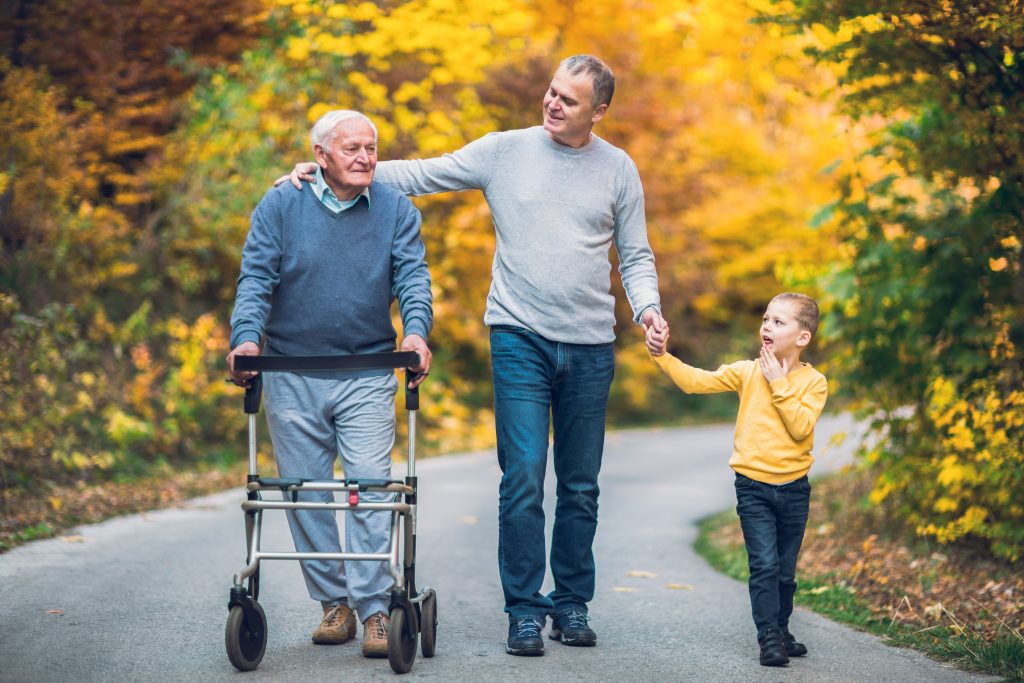
According to Parachute Canada, the following are the most effective steps you can take to prevent a fall, as assessed by the Public Health Agency of Canada and Finding Balance, a program for older adults and caregivers created by the Injury Prevention Centre at the University of Alberta.
- Exercise: challenge your balance and build strength.
- Get enough sleep.
- Take your time: don’t rush when walking or getting up.
- Balance your body through good nutrition and hydration.
- Get your sight and hearing checked regularly.
- Manage your medications and review them regularly with your pharmacist or doctor as some may make you prone to dizziness and falling.
- Wear well-fitting, sturdy shoes.
- Consider using a cane or other mobility device if needed.
- Maintain proper use of eyeglasses and hearing aids.
Thank you to Centre Wellington Fire Rescue and Wellington County OPP for a fun-filled event at The Jefferson Elora Community Centre. Safe Communities Wellington County had the opportunity to speak to several families about the drug poisoning prevention, among other reasons, why calling the Ontario Poison Centre is necessary. Looking forward to seeing who is victorious in 2026!
Wellington County Safe Communities Falls Action Group is working to raise awareness on steps you can take to reduce your risk of a fall. When watching television, avoiding a fall seems easy, with the advice of “just don’t fall”. Regardless of how educated you are about falls prevention, how good your balance is or how strong your muscles are, you can still experience a fall. When a senior, who is in good physical condition, falls, the impact of that fall is often reduced, and they are able to remain independent. Falls are the #1 cause of injuries to seniors. The fear of falling is real and can make seniors less confident and result in a reduction in their physical activity levels. As a result, their gait and balance deteriorate. This puts them at an increased risk of falling; which is exactly what they were trying to avoid in the first place. It is important to keep moving and to exercise.
Being self sufficient and staying in your home for longer is also a goal older adults have, so ensuring their homes and common spaces outside their homes need to be safe.
- Making sure that walks are shovelled and salted (Ask for help if you need to)
- Make sure your boots are appropriate for the weather.
- Use sock aids and other assistive devices within your home to help with every day mobility
- Remove unnecessary clutter and rugs
- Install handrails, toilet seat lifts, etc., and speak with your physician about cost savings when purchasing items.
Ernie Read. A 90-year-old resident of Mount Forest, participates in the Boosting Balance Program offered by the Mount Forest Family Health Team. He has been attending the weekly group since 2018 and feels that it has had a positive impact on his mobility and balance. Ernie had a fall three months ago, luckily, he was able to get up independently and was not injured. He attributes this positive outcome to exercising regularly – he attends Boosting Balance weekly and also enjoys walking outside with his walking poles. Ernie would also like to encourage those who are exercising alone to always wear a whistle as it is an inexpensive way to attract attention if help is needed.
Seniors in Wellington County are lucky to have access to the VON SMART exercise program. This exercise program is FREE. Kelly Gee, VON SMART Exercise Coordinator, and member of the Safe Communities Wellington County Falls Action Group, says “Exercise is the universal prescription to pretty much everything! Frailty is not inevitable, in fact, it is reversible. It is never too late to start exercising.”
Sue Hodgson, a participant of the VON SMART exercise program shares her fall story. While out with a friend at a restaurant, a hot beverage was overturned. In an effort to get out of the way, Sue quickly moved away from the table forgetting the step to their booth, and fell. This fall could have resulted in a life changing injury, but Sue who has been attending the SMART exercise program 2-3 times per week was able to walk away with her independence intact. Sue’s fitness level contributed to her resilience to injury and she was right back exercising the very next day. Exercise increases bone density, reducing the risk of a fracture.
Join us on February 23, 2024 at The Centre Wellington Sportsplex for the Victoria Park Seniors Centre’s Active Living Show. Be sure to stop by the booth to grab some goodies and learn how you can stay safe at home and in your community!
This series promotes education and awareness about Opioids and Mental Health.
Kitchen Table Talk – Opioids 101
During this Kitchen Table Talk, attendees have the opportunity to learn about opioid and naloxone truths from frontline workers and people with lived experience. This Table Talk is in cooperation with Wellington Guelph Drug Strategy.
Naloxone Training & kits will be provided.
If you are interested in bringing this Kitchen Table Talk Series to your community within Wellington County, please contact info@safewellington.ca.
Kitchen Table Talk – Mental Health
Partnering with the Canadian Mental Health Association and The Suicide Awareness Council of Guelph Wellington, Safe Communities Wellington County’s Intentional Self Harm Group has created a Kitchen Table Talk on Mental Health. Real People – Their Stories – Creating Conversation Around Mental Health and Well Being through Guided Discussions. Our Spring Kitchen Table Talk focused on Death by Suicide and Sucide Attempt Survivors and the impact & journey’s people have taken afterward.
A Spring Kitchen Table Talk is being planned for the Spring in Wellington North.
Safe Communities Wellington County is hard at work in the first place. It is important to keep moving and to exercise.
Ernie Read. A 90-year-old resident of Mount Forest, participates in the Boosting Balance Program offered by the Mount Forest Family Health Team. He has been attending the weekly group since 2018 and feels that it has had a positive impact on his mobility and balance. Ernie had a fall three months ago, luckily, he was able to get up independently and was not injured. He attributes this positive outcome to exercising regularly – he attends Boosting Balance weekly and also enjoys walking outside with his walking poles. Ernie would also like to encourage those who are exercising alone to always wear a whistle as it is an inexpensive way to attract attention if help is needed.
Seniors in Wellington County are lucky to have access to the VON SMART exercise program. This exercise program is FREE. Kelly Gee, VON SMART Exercise Coordinator, and member of the Safe Communities Wellington County Falls Action Group, says “Exercise is the universal prescription to pretty much everything! Frailty is not inevitable, in fact, it is reversible. It is never too late to start exercising.”
Sue Hodgson, a participant of the VON SMART exercise program shares her fall story. While out with a friend at a restaurant, a hot beverage was overturned. In an effort to get out of the way, Sue quickly moved away from the table forgetting the step to their booth, and fell. This fall could have resulted in a life changing injury, but Sue who has been attending the SMART exercise program 2-3 times per week was able to walk away with her independence intact. Sue’s fitness level contributed to her resilience to injury and she was right back exercising the very next day. Exercise increases bone density, reducing the risk of a fracture.